10 Unforgettable Japan Experiences You Must Try Like A Local
Japan is an incredibly unique country. There’s always something new to discover even as a local. From snowy Hokkaido in the north to tropical Okinawa in the south, the atmosphere changes completely depending on where you go.
You’ll find ultra-modern cities like Tokyo, quiet countryside towns, deep traditions, and of course, incredible food everywhere.
That said, now that Japan has become such a popular travel destination, it can sometimes feel hard to find experiences that still feel real and local, not just things you see in every guidebook.
I was born and raised in Osaka and have spent most of my life exploring Japan not as a tourist, but as a local.
Honestly, choosing just ten was really difficult. But when friends from overseas visit Japan for the first time, these are the 10 experiences I always want them to have at least once.
If it’s your first trip, these are 10 must-do experiences that will help you truly feel Japan, not just see it.
contents
- Stay at a Traditional Ryokan with a Private Onsen Bath
- See Mount Fuji or Stay Near the Area
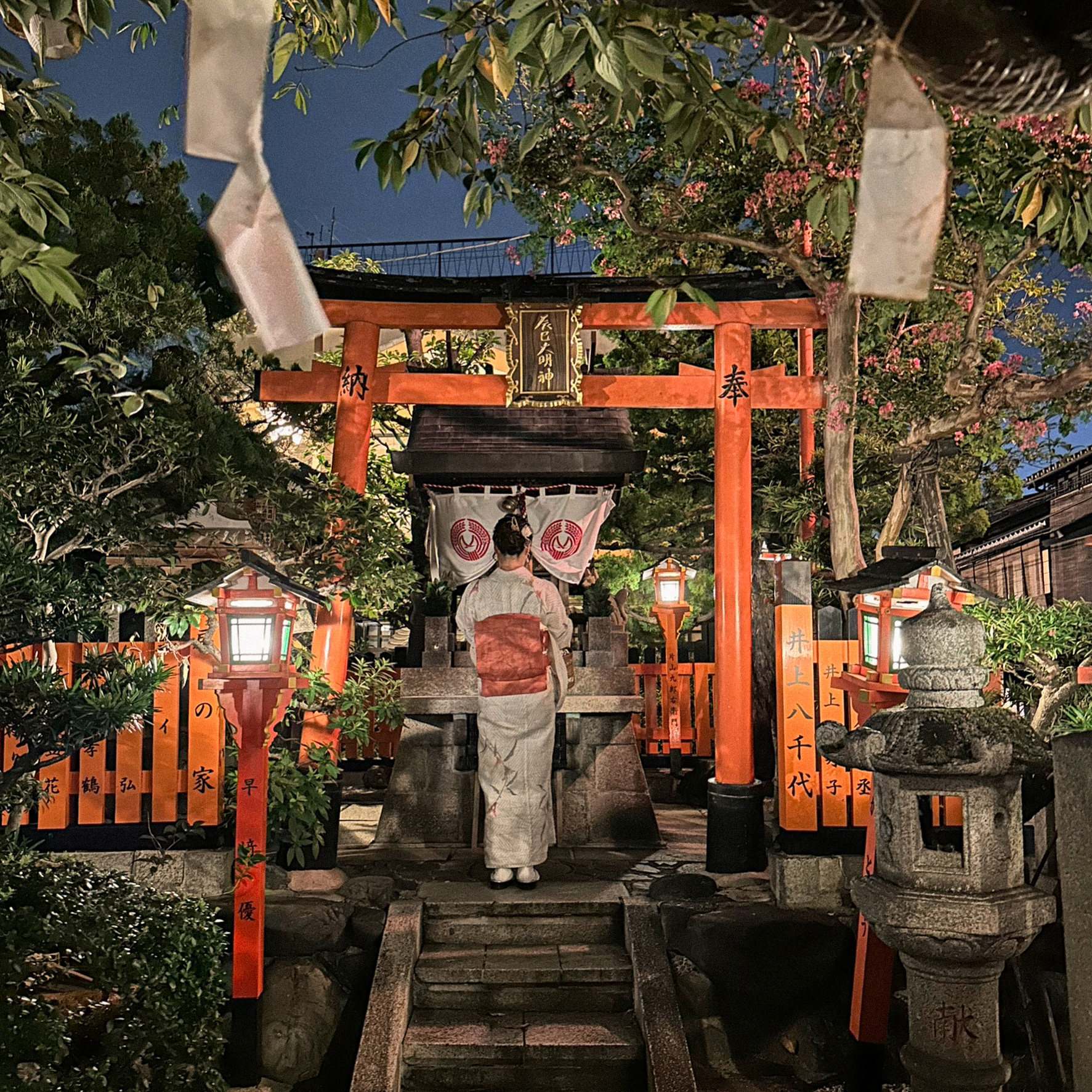
- Visit Shrines and Temples Loved by Locals
- Wear a Kimono and Explore Kyoto’s Historic Streets
- Taste Japanese Sake and Visit a Local Sake Brewery
- Ride the Shinkansen and Try a Local Ekiben
- Walk Through Naramachi and Experience Old Japan
- Shop for Japanese Antique Pottery or Make Your Own
- Eat the Japanese Dishes I Miss Most When Living Abroad
- Eat, Soak, and Stay Out Late in Osaka As Locals Do
1. Stay at a Traditional Ryokan with a Private Onsen Bath

If you travel to Japan, staying at a traditional ryokan is something I always recommend.
A ryokan is a Japanese-style inn where everything – tatami floors, futon beds, meals, and baths – is designed around comfort and hospitality.
What I love most is the pace. I usually soak in the onsen before dinner, enjoy a long, relaxed meal, and then go back to the bath again before bed. In the morning, I wake up early just to soak once more before breakfast.
Ryokan dinners always surprise my friends. The meal usually starts with what looks like “just a small dish”… then another appears, and another. By the time the main dish arrives, everyone is already full. But somehow, we still finish everything.
My advice: arrive hungry.


If you’re traveling as a couple, I really recommend choosing a ryokan with a private onsen bath, either in your room or reservable. Public onsen are separated by gender, so having your own bath lets you relax together without worrying about rules or etiquette.
One of my personal favorites is Arima Onsen, an easy getaway from Osaka. You can take a direct bus from Umeda, making it perfect even for a short stay.

2. See Mount Fuji or Stay Near the Area

Mount Fuji has a perfectly balanced shape, and on a clear day, you can even see it from the Shinkansen. Every time I spot it, I still feel a little excited.
If possible, I recommend staying near the area instead of just passing by. One option I like is Hamamatsu, which you can reach from Tokyo by Shinkansen with one transfer.
The area feels more local and relaxed, and it’s famous for unagi (eel dishes). Unagi is a bit pricey compared to everyday meals, but it’s rich, comforting, and absolutely worth trying. It’s one of the foods I miss the most when I live abroad.

3. Visit Shrines and Temples Loved by Locals

Japan has countless shrines and temples, and visiting a few really helps you understand daily life and spirituality here.
Kyoto is especially good for this, and these are my personal favorites:
- Fushimi Inari Taisha – Yes, it’s famous, but once you walk deeper into the torii gate paths, it feels quiet and almost magical.
- Kifune Shrine – Located in the mountains north of Kyoto, it’s perfect for a peaceful walk. In summer, nearby riverside dining is a beautiful way to escape the heat.
- Sanzen-in Temple – A little far from central Kyoto, but much calmer. I almost hesitate to recommend it because it’s so peaceful. But that’s exactly why it’s special.
4. Wear a Kimono and Explore Kyoto’s Historic Streets

Wearing a kimono is a lovely way to experience Japanese culture. Kyoto, with its temples and historic streets, is especially beautiful for this.
There are many rental shops, and you can book online in advance. Spring and autumn are the busiest seasons, so planning ahead helps. Most shops also offer hair styling and honestly, once your hair is done, you suddenly feel like a completely different person.
One lesson from experience: in summer, choose a yukata instead of a kimono. Yukata are much lighter. I once tried wearing a summer kimono in August… never again.
If you’re dressed in kimono, areas like Arashiyama or Nanzenji are perfect for photos. For something unique, you can also try a rickshaw ride – expensive, but surprisingly memorable.
If you want a quieter alternative to Kyoto, Kanazawa is also a great place to wear kimono.
5. Taste Japanese Sake and Visit a Local Sake Brewery

Sake really does taste different in Japan. With regional water and rice, each prefecture has its own character.
I love sake bars where you can sample small amounts from many regions. It’s the easiest way to discover what you like.
In Kyoto, the Fushimi area is ideal. You can visit the Gekkeikan Okura Sake Museum, learn about brewing history, and enjoy tastings for a very reasonable price.

The area also has canal boat rides and great places to eat and drink.
Some of my favorites nearby include Fushimi Sake Village, Torisei, and Yamorido.
6. Ride the Shinkansen and Try a Local Ekiben

You can’t leave Japan without riding the Shinkansen.
Traveling between Tokyo and Kyoto or Osaka is incredibly smooth and fast and this is where ekiben comes in.
Ekiben are regional bento boxes sold at Shinkansen stations, each reflecting local flavors. Eating one while watching the scenery pass by somehow makes the journey feel extra special.
Even after countless rides, I still look forward to choosing my ekiben.
7. Walk Through Naramachi and Experience Old Japan

Nara is famous for its deer, but Naramachi is where I take friends who want something quieter.
This preserved merchant district feels like old Japan, with traditional buildings and a relaxed pace. Walking here feels like stepping back in time.
For lunch or a coffee break, I recommend Kanakana, a beautifully restored old house serving comforting seasonal dishes.
8. Shop for Japanese Antique Pottery or Make Your Own

Instead of typical souvenirs, I love buying small pieces of Japanese pottery. We use many small plates and bowls in daily meals, so they’re both beautiful and practical.
If you want something even more personal, try making your own pottery. In Kyoto, Zuikougama offers hands-on experiences in English and can ship your finished piece overseas.
When I tried it, I made a mug and a soup cup and I still use them at home.


9. Eat the Japanese Dishes I Miss Most When Living Abroad

Food is the hardest thing for me when I live outside Japan. I cook Japanese meals often, but some dishes are only truly satisfying in Japan.
If you’re there, I hope you try these:
- kaisen-don (a rice bowl topped with fresh seafood)
- unagi (grilled eel dishes)
- chu-toro (medium-fatty tuna)
- yakitori (charcoal-grilled chicken skewers)
- shio-tan (salt-grilled beef tongue)
- matcha soft serve
These are the flavors I crave the most when I’m away.
10. Eat, Soak, and Stay Out Late in Osaka

I always like to end a Japan trip in Osaka – my hometown.
Around Dotonbori, try takoyaki, okonomiyaki, and kushikatsu, then enjoy the nightlife. Somehow, ramen always tastes better late at night.
If you have extra time, head into the countryside near Kansai Airport and visit Inunakiyama Onsen Fudouguchikan. It’s a peaceful way to relax before flying home – soaking in one last onsen and quietly saying goodbye to Japan.
Conclusion:Japan As A Local
No matter how many times you visit Japan, there’s always something new to discover.
These experiences aren’t just about where you go, but how you feel while you’re there.
Whether it’s your first visit or a return trip, I hope these experiences help you see Japan in a deeper, more local way.